Missions in the Book of Jonah
In the Book of Jonah, God, Who created all nations and wants to bring His salvation to all of them, demonstrates how He deals with the particularistic attitude of His people Israel, who claimed Him for themselves alone. His covenant with Abraham gave Israel a special position, but only in order to bless all nations of the earth (Gen. 18:18). The complete Book of Nahum treats God’s word to Nineveh, as well (Nahum 1:1; compare Nahum 1-3).
- Thomas Schirrmacher
In the Book of Jonah, God, Who created all nations and wants to bring His salvation to all of them, demonstrates how He deals with the particularistic attitude of His people Israel, who claimed Him for themselves alone. His covenant with Abraham gave Israel a special position, but only in order to bless all nations of the earth (Gen. 18:18). The complete Book of Nahum treats God’s word to Nineveh, as well (Nahum 1:1; compare Nahum 1-3).
The Book of Jonah begins, as if it were a matter of course, with the command that Jonah proclaim God’s word to a heathen city: "Arise, go to Nineveh, that great city, and cry against it.” That the sin of a Gentile is a sin against God, is also considered obvious, for Gentiles too are under the Law of God: "for their wickedness is come up before me” (Jonah 1:2).
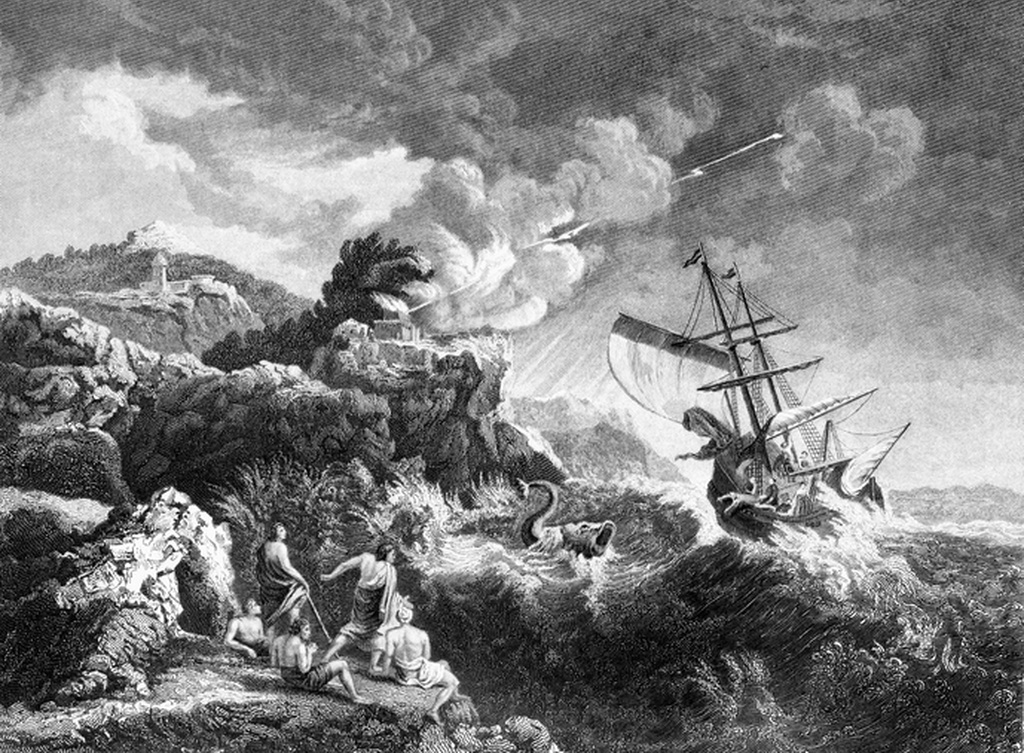
In spite of his disobedience, Jonah confesses to the sailors in which God he believes: "I am an Hebrew; and 1 fear the LORD, the God of heaven, which hath made the sea and the dry land” (1:9). He uses the description of God—Creator of heaven and earth—which the Jews preferred when speaking to Gentiles, and which implies God’s universal sovereignty over all human beings (Compare 2 Kin. 19:15, Isa. 37:16, 40:12, Jer. 10:11, Acts 4:24, 14:15, 17:24-25, Rev. 14:6-7).
After that, the sailors, having first prayed "every man to his god” (1:5), then cried to the Lord (see their prayer in 1:14), and even "feared the LORD exceedingly, and offered a sacrifice unto the LORD, and made vows” (1:16). It is very significant that the book of Jonah reports not only the conversion of the heathen in Nineveh, but also that the mariners, as a matter of course, brought sacrifices and offerings to the true God.
In his prayer in the fish’s belly (2:2-10), which includes parts of various Psalms, Jonah remembers that, "Those who cling to worthless idols [literally, "the vapor of emptiness”] forfeit the grace that could be theirs” (NIV)—the grace, that is, that they can receive only from God. Jonah then promises to bring the Lord offerings and vows (2:9-10).
The command to preach God’s message in Nineveh having been given in Jonah 1:2 and repeated in 3:2, its fulfillment is described with the classic terminology of missionary activity: Jonah "proclaimed” and the residents of Nineveh "believed” (3:4-5, NIV). (The prophecy of judgment does not contradict the fact that the sermon was intended to be evangelistic. Both Peter in his sermon on Pentecost [Acts 2:14-26] and Paul in Athens [Acts 17:14-31], preach judgment only to wait for the reaction of their audience before introducing the theme of grace.)
The prophet uses the term "to turn,” which is otherwise used to describe Israel’s turning from sin to her God. In 3:5-9, the book reports a mass conversion of Gentiles, no less, that has few parallels, even in the history of Israel. The report ends with the message of 3:12, "And God saw their works, that they turned from their evil way; and God repented of the evil, that he had said that he would do, and he did it not.” For this reason, Jesus later uses Nineveh’s conversion as an accusation against His Jewish contemporaries, "For as Jonas was a sign unto the Ninevites, so shall also the Son of man be to this generation… The men of Nineveh shall rise up in the judgement with this generation, and shall condemn it: for they repented at the preaching of Jonas, and, behold a greater that Jonas is here” (Lk. 11:30, 32; see also Mt.12:41). What a disgrace: the Gentiles being held up as good examples for the Jews!
Jonah was, of course, a good theologian, for he knew very well that God wanted to be merciful to the heathen as well as to Israel. The prophet’s anger (4:1) arose from this knowledge, "Was not this my saying, when I was yet in my country? Therefore I fled before unto Tarshish: for I knew that thou art a gracious God, and merciful, slow to anger, and of great kindness, and repentest thee of the evil” (4:2). It becomes evident here, that Jonah had fled from his evangelistic mission for theological, not from personal reasons! As a Jew, the prophet could not endure the thought of heathens being treated with the same mercy as Israel.
Using the first verdant then withered gourd, God however illustrates His relationship to the heathen, and concludes in the final verse with a distinct justification for Old Testament missions, "But Nineveh has more than a hundred and twenty thousand people who cannot tell their right hand from their left and many cattle as well. Should I not be concerned about that great city?” (4:11, NIV).

- Thomas Schirrmacher