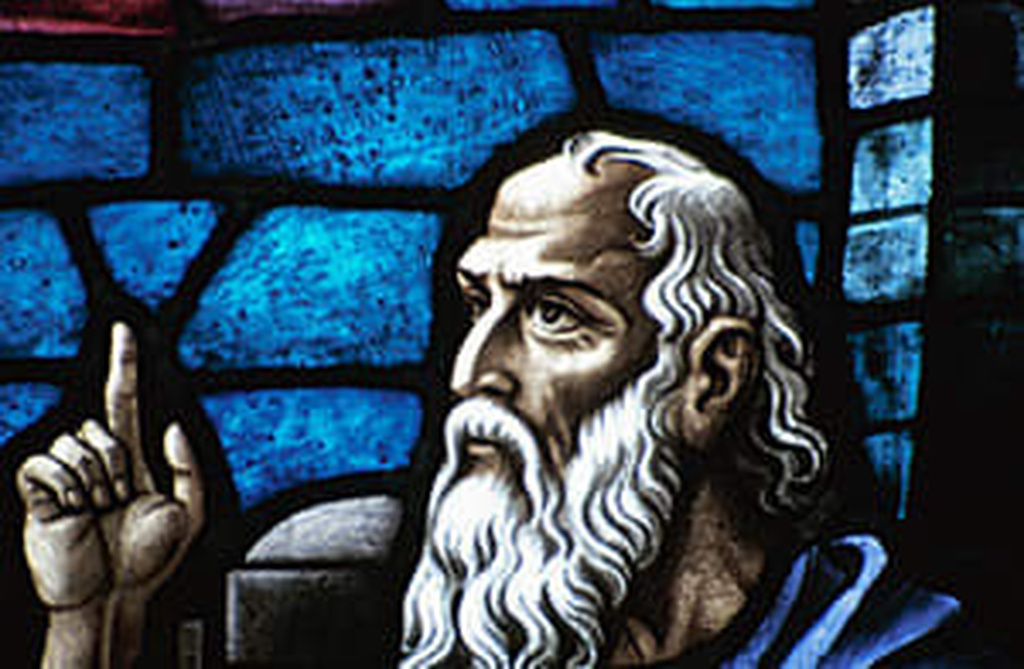
Missions In the Old Testament Prophets
There are many Old Testament texts which address the heathen peoples directly. The general tone of these texts is, “Give unto the LORD, O ye kindreds of the people, give unto the LORD glory and strength. Give unto the LORD the glory due unto his name: bring an offering, and come Into his courts” (Ps.96:7-8). This is particularly the case with the Old Testament prophets.
- Thomas Schirrmacher
There are many Old Testament texts which address the heathen peoples directly. The general tone of these texts is, “Give unto the LORD, O ye kindreds of the people, give unto the LORD glory and strength. Give unto the LORD the glory due unto his name: bring an offering, and come Into his courts” (Ps.96:7-8). This is particularly the case with the Old Testament prophets.
First, we must consider those prophets who addressed non-Jewish nations exclusively. Obadiah writes only against Edom, Nahum against Nineveh, which is also the object of the prophet Jonah, whom we will consider later.
Isaiah prophesied against Babylon (Is. 13:1-14,21; 21:1-10), against the Assyrians (Is. 14:24-27; 31:4-9), against the Philistines (Is. 14:28-32), Moab (Is. 15-16), Damascus (Is. 17:1-11), Ethiopia (Is. 18 and 20:1-6), Egypt (Is. 19:1-20:6), Edom (Is. 21:11-12; 34:1-17), Arabia (Is. 21:11-17), and the Phoenician cities, Tyre and Zidon (Is. 23).
Ezekiel prophesied against the Ammonites (Ez. 25:1-7), Moab (Ez. 25:8-11), Edom (Ez. 25:12-14; 35:1-15), the Philistines and the Cretes (Ez. 25:13-17), Tyre (Ez. 26:1- 28:19), Zidon (Ez. 28:20-24) and Egypt (Ez. 29-32).
Jeremiah speaks of Egypt (Jer. 46), the Philistines (Jer. 47), Moab (Jer. 48), Ammon (Jer. 49:1-6), Edom (Jer. 49:7- 22), Damascus (Jer. 49:23-27), the Arabian tribes (Jer. 49:28- 33), Elam (Jer. 49:34-39) and Babylon (Jer. 50-53). These prophecies are headed, “The word of the LORD…..against the Gentiles.” In Jeremiah 46:1, God commands the prophet to speak to a list of rulers, Including Judah and 25 Gentile nations and kingdoms, “all the kings of the north, far and near, one with another, and all the kingdoms of the earth” (Jer. 25:18-26).
Amos warns Damascus (Amos 1:3-5), Gaza (Amos 1:6-8), Tyre (Amos 1:9-10), Edom (Amos 1:11-I2), Ammon (Amos 1:13-15), Moab (Amos 2:1-3) and finally in the same list, Judah (Amos 2:4-5) and Israel (Amos 2:6-16). Zephaniah addresses Moab and Ammon (Zeph. 2:8-11). Joel speaks of Tyre, Zidon and the Philistines (Joel 4:4-8), but actually to all nations (Joel 4:2): “Proclaim ye this among the Gentiles” (Joel 4:9, cf. vs. 1-13).
The dreams which Daniel had or interpreted (Dan. 2, 7,8 and 11) include the great heathen world empires, Babylon, Medeo-Persia, Greece and Rome.
It is by far not only judgment the prophets have to preach against heathen nations but also salvation through repentance (see Ninevah in Jonah) or through the coming Messiah. God was always the God of all nations, so that He naturally turns to the nations. Israel’s particular role was not to hinder salvation for all peoples, for Abraham’s calling Included the proclamation, “In thee shall all families of the earth be blessed” (Gen. 12:3). in Abraham, “all the nations of the earth shall be blessed (Gen. 18:18).
For this reason, Paul and Barnabas support their evangelization among the Gentiles (Acts 13-47) with a quote from the Book of Isaiah, “It is a light thing that thou shouldst be my servant to raise up the tribes of Jacob, and to restore the preserved of Israel: I will also give thee for a light to the Gentiles, that thou mayest be my salvation unto the ends of the earth” (Is. 49:6).

- Thomas Schirrmacher